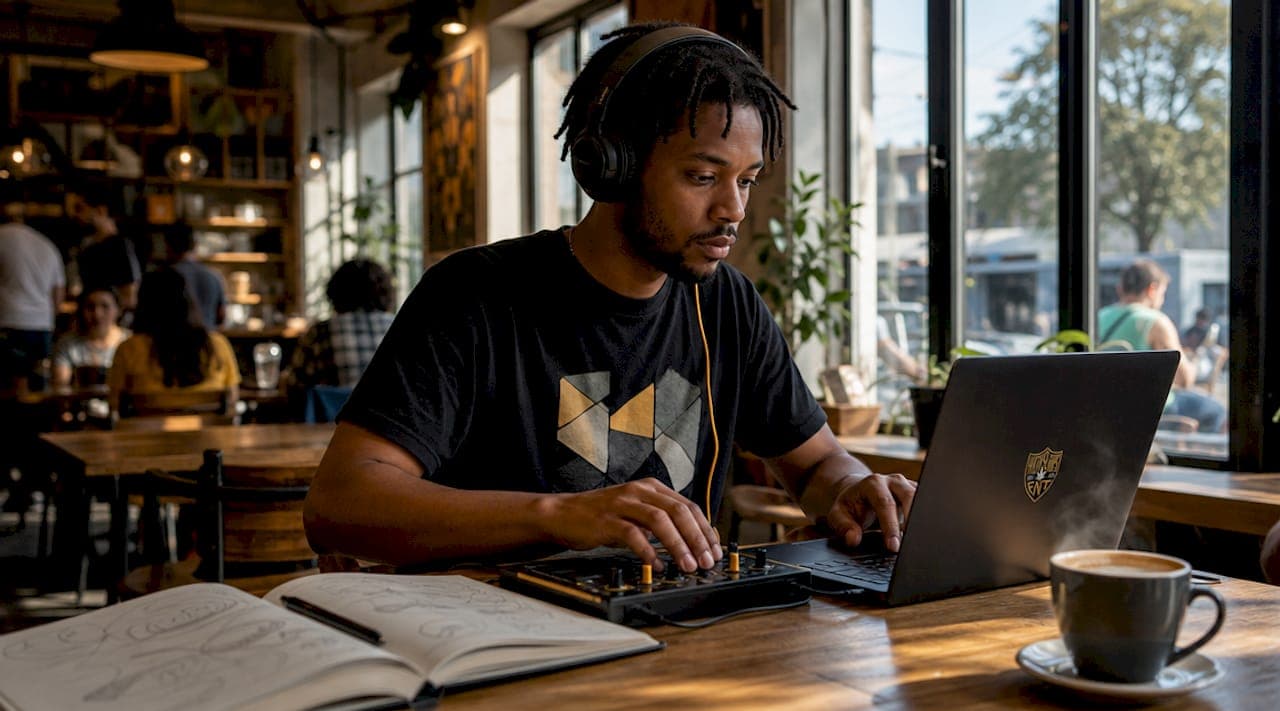
A self-produced artist journey is defined as the full career path an independent musician builds without label infrastructure, from recording and mixing to distribution and fan development. The best examples of self-produced artist journeys prove that creative control, community engagement, and entrepreneurial thinking replace the traditional gatekeepers. Artists like Tenille Townes, Shantell Martin, and Neakjohnson demonstrate that platforms like Bandcamp, Spotify, and direct email lists are now the primary tools for building a real audience. The independent music scene in 2026 rewards persistence and authenticity far more than it rewards access to major label budgets.
1. Examples of self-produced artist journeys that changed the rules
The most instructive self-made artist stories share one trait: each artist built a direct relationship with fans before seeking any external validation. These are not overnight success stories. They are multi-year commitments to craft, community, and financial creativity.
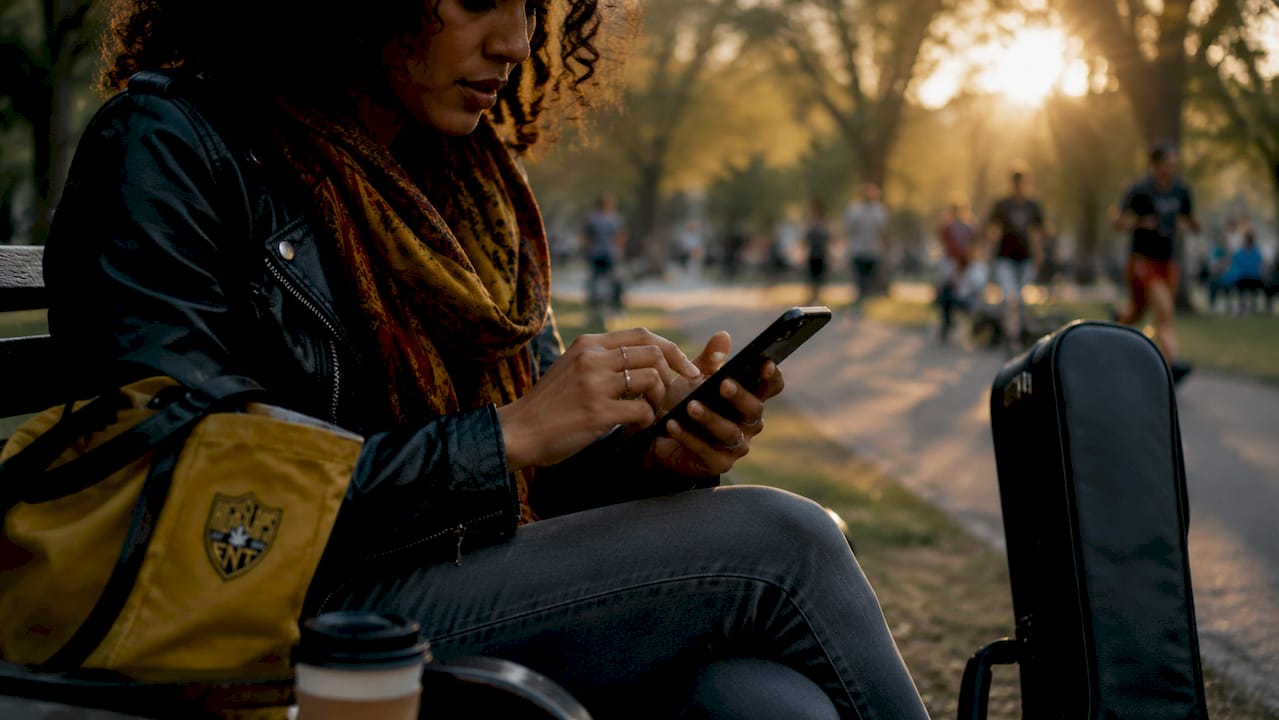
The DIY artist path, formally called independent artist development in the music industry, covers every stage from pre-production to post-release marketing. Understanding the full scope of that path is the first step to walking it with clarity.
2. Common pathways used by successful self-produced artists
Independent musicians who build lasting careers follow recognizable patterns. These patterns are not formulas, but they repeat across different genres, budgets, and locations.
- Home recording first. Most self-produced musicians start with minimal gear. Raw home recordings using a single SM7 microphone and no vocal tuning preserve emotional intensity that polished studio work often loses.
- Email lists over follower counts. Iterative release strategies borrowed from agile product development treat email subscribers as the most valuable asset, not Instagram followers.
- Sprint-based releases. Artists release singles in focused cycles, gather listener feedback, and adjust the next release. This mirrors software development sprints and keeps audiences engaged between albums.
- Financial diversification from day one. Teaching private lessons, selling merchandise, performing at local venues, and running direct sales through personal websites all contribute to income stability.
- Community storytelling over volume. Posting less but saying more builds deeper loyalty than daily content with no narrative thread.
Pro Tip: Embrace your technical limitations. Lack of complex mixing expertise often keeps recordings emotionally vulnerable, and that vulnerability becomes your most distinctive artistic identity.
3. Detailed case studies from the independent music scene
The following examples illustrate how different self-produced musicians reached real milestones through distinct approaches. Each story reflects a different version of the DIY artist path.
1. The community-powered vinyl launch
One independent artist secured 802 vinyl pre-orders through personal platform communications alone, with zero marketing budget and no label support. The campaign relied entirely on direct email outreach and personal social posts to an existing community. This result proves that a small, loyal audience converts at rates that large passive followings cannot match.
2. The zero-budget home album
A self-produced musician recorded a full album at home with no production budget, later generating modest but consistent royalty income through Spotify and Apple Music. The recording process used consumer-grade equipment and no professional mixing. The lesson here is that distribution platforms have removed the cost barrier entirely. Getting heard no longer requires a recording contract.
3. The solo independent label operator
Some artists manage every function of a record label from a single remote location. Booking, licensing, distribution, social media, and merchandise fulfillment all run through one person. This model demands organizational discipline, but it also means 100% of revenue stays with the artist. Tools like DistroKid, Shopify, and Mailchimp make this operationally possible for a solo operator.
4. The diversified income model
"Treating creativity as currency and building direct-to-consumer models empowers artists to bypass gatekeepers entirely."
One artist combined touring, merchandise sales, and teaching music production to build a financially sustainable career over several years. Financial independence through music rarely arrives from a single revenue source. It accumulates through parallel streams that each contribute a portion of total income.
5. The documented self-promotion journey
A band publicly shared their year-long independent promotion process across social media and a dedicated newsletter. They tracked every release, every setback, and every win in real time. This transparency built a fan base that felt personally invested in the outcome. The documentation itself became content, turning the process into a product.
4. Key factors that separate successful self-produced artists from those who stall
Not every independent musician experience leads to a sustainable career. Comparing those who break through against those who plateau reveals clear patterns.
| Factor | Artists who succeed | Artists who stall |
|---|---|---|
| Time horizon | Plan for 3 to 15 years of growth | Expect results within 12 months |
| Platform ownership | Build email lists and personal websites | Rely entirely on social media algorithms |
| Financial approach | Diversify across teaching, merch, and live shows | Depend solely on streaming royalties |
| Mental resilience | Separate self-worth from analytics | Measure personal value by follower counts |
| Live performance | Accept logistical imperfection and adapt | Avoid touring due to complexity |
Financial instability is the most common reason independent musicians leave the path early. Artists who survive it treat their music career like a small business, with a budget, a plan, and multiple income lines.
Live shows and merchandise carry hidden logistical risks including payment system failures and venue complications, but they remain the most effective tools for building real fan loyalty. Artists who tour, even on a small scale, consistently report stronger audience retention than those who operate entirely online.
Pro Tip: Build your website and email list before your first release. Owned platforms give you direct access to your audience regardless of what any algorithm decides to do next.
5. How to apply these stories to your own path
The success of self-produced musicians is not accidental. Each story contains transferable decisions that any aspiring artist can replicate.
- Start recording now, not when conditions are perfect. A consumer microphone and free software like GarageBand or Audacity produce releasable work. Waiting for better gear delays the learning that only comes from finishing tracks.
- Build your email list from your first release. Offer an exclusive track or early access to anyone who subscribes. This list becomes your most reliable communication channel.
- Experiment with limited releases. A vinyl pre-order, a limited cassette run, or an exclusive digital bundle creates urgency and signals that your work has real value.
- View growth in years, not months. Sustainable independent careers typically develop over 3 to 15 years. Setting realistic timelines prevents early burnout.
- Diversify income from the start. Teaching one student per week, selling three shirts per month, and playing two local shows per quarter adds up to a financial foundation that streaming alone cannot provide.
- Reframe rejection as data. Treating rejection as opportunity rather than failure keeps creative output moving forward. Every "no" from a venue, playlist, or label is information about where to redirect energy.
Pro Tip: Collaborate with other independent artists in your city or genre. Shared audiences, co-produced tracks, and joint shows accelerate growth for everyone involved without requiring any outside budget.
Key takeaways
The most effective self-produced artist careers combine owned platforms, diversified income, and community-first storytelling built over multiple years.
| Point | Details |
|---|---|
| Own your audience | Email lists and personal websites outperform social media for long-term fan retention. |
| Embrace limitations | Raw, unpolished recordings often connect more deeply with listeners than studio-perfect production. |
| Diversify income early | Teaching, merchandise, and live shows build financial stability that streaming royalties alone cannot. |
| Plan for the long term | Most sustainable independent careers take 3 to 15 years to develop fully. |
| Document the process | Sharing your journey publicly builds fan investment and turns your path into content. |
Why the DIY path is harder and more honest than most articles admit
I have spent years watching independent musicians build careers from nothing, and the pattern that stands out most is not strategy. It is tolerance for ambiguity. The artists who last are not necessarily the most talented or the most prolific. They are the ones who can sit with uncertainty for years without abandoning the work.
Most articles about the journey of DIY artists focus on the wins: the viral moment, the sold-out vinyl run, the Spotify playlist placement. What they skip is the two-year stretch where nothing measurable happens. That stretch is where most people quit, and it is also where the real foundation gets built. The artists who use that quiet period to refine their sound, grow their email list by fifty people a month, and play every small venue that will have them are the ones who look like overnight successes three years later.
Technology has genuinely lowered the barrier to entry. A home studio that would have cost $50,000 in 2005 now costs under $1,000. But lower barriers also mean more competition, more noise, and more pressure to perform publicly before you are ready. The artists I respect most treat their early releases as practice runs, not career-defining moments. That mindset protects both the work and the person making it.
The uncomfortable truth is that entrepreneurial independence in music requires you to be a business operator first and an artist second, at least in the early years. That is not a romantic idea, but it is an accurate one. The artists who accept it early build careers. The ones who resist it often burn out waiting for someone else to handle the business side.
— DavyJoneZ
Explore independent music and merch at Neakjohnson
Neakjohnson is a Seattle-based independent hip hop artist who produces, records, and distributes his music entirely on his own terms. His latest EP, Neak Johnson vs. The World, is available now and reflects the same community-first, authentic storytelling approach covered throughout this article.
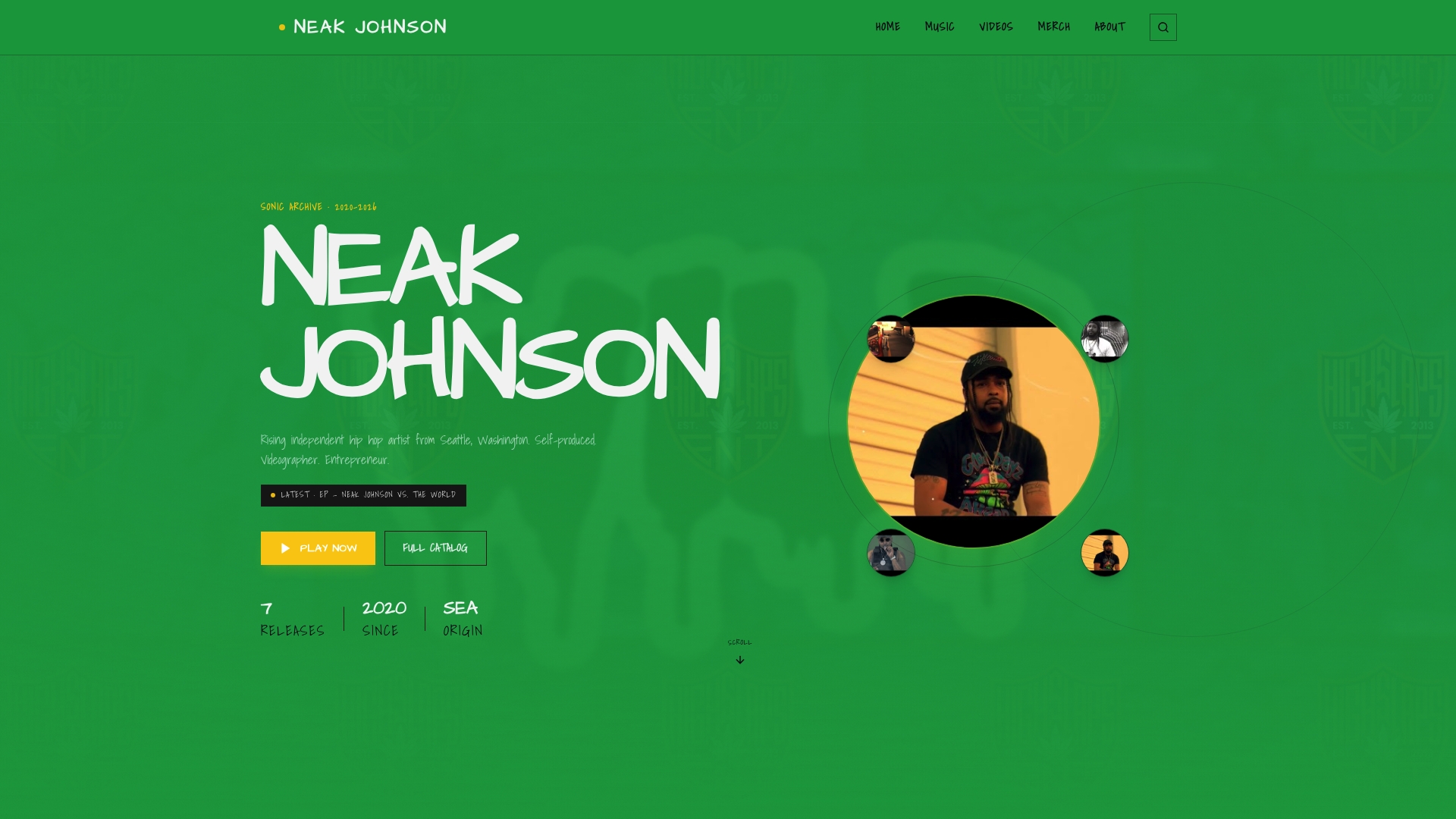
Neakjohnson's catalog on Spotify and Apple Music includes self-produced tracks built from real personal experience, not industry templates. The Neakjohnson archive also features exclusive merchandise and original videography that documents the independent artist process in real time. If you are building your own path in music, this is the kind of work worth studying closely.
FAQ
What defines a self-produced artist journey?
A self-produced artist journey is the full career path an independent musician builds without label support, covering recording, distribution, marketing, and fan development entirely on their own terms.
How long does it take to build a sustainable independent music career?
Most self-sustaining independent music careers develop over 3 to 15 years, with income growing through diversified streams including direct sales, teaching, merchandise, and live performances.
Do self-produced artists need professional studio equipment?
No. Many successful self-produced musicians record with minimal gear, including a single microphone and free software. Raw recordings often preserve emotional authenticity that resonates more deeply with fans than polished studio production.
What platforms do independent musicians use to reach fans?
Independent musicians use Bandcamp, Spotify, Apple Music, DistroKid, and personal email lists as their primary distribution and fan engagement tools. Email lists are considered the most reliable owned channel.
How do self-produced artists handle financial instability?
Self-produced artists manage financial instability by combining multiple income streams: streaming royalties, merchandise sales, live shows, teaching, and direct fan sales through personal websites.